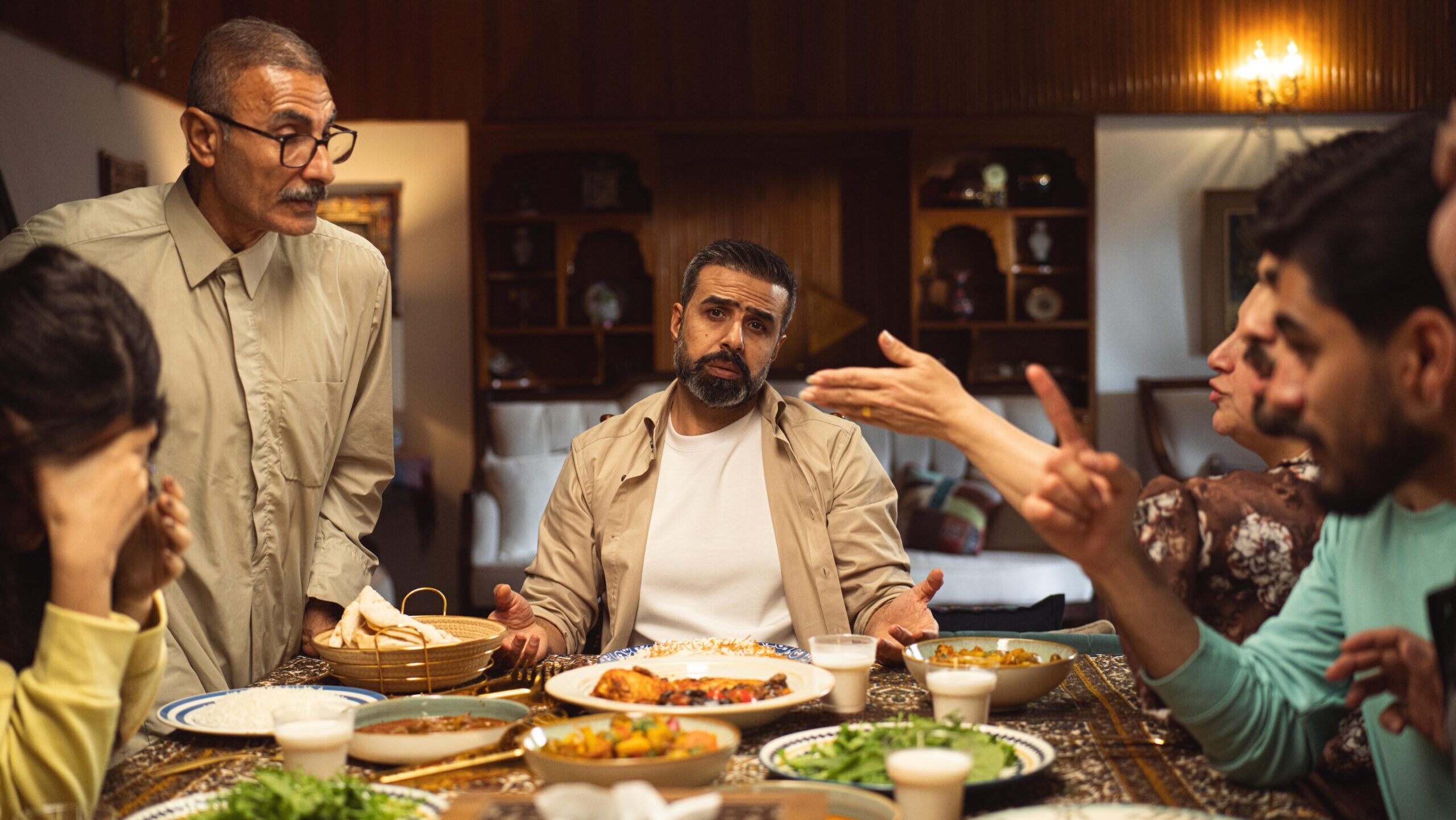
Family relationships are often some of the most complicated relationships we experience.
They are usually the people we grow up with, the people who know our history, and the people we naturally expect to be there for us. But that closeness can also make family relationships difficult because emotions, expectations, and old patterns often become deeply connected.
People often say, “blood is thicker than water.” But as I’ve gotten older, I’ve realized that family is not only about being connected by blood. The relationships that truly matter are often defined by trust, respect, and the way people show up for each other.
Sometimes creating distance from certain people is not about a lack of love.
Sometimes it is about protecting your peace.
Redefining What Family Really Means
For a long time, I thought family automatically meant unconditional support. I believed that because someone was related to you, they would naturally understand you, support you, and be there when you needed them.
But life teaches you that relationships are more complicated than that.
Family members are still individuals with their own personalities, beliefs, experiences, and limitations. Sometimes those differences create misunderstandings. Sometimes they create distance. And sometimes difficult situations reveal parts of people that you didn’t notice before.
I’ve learned that family is not only about who shares your name or your history.
What Family Really Means
It’s also about who makes an effort.
The people who truly matter are often the ones who show up when things are difficult. They don’t always have the perfect words or the perfect solution, but they make their presence known. They listen, they support you, and they try to understand rather than judge.
That kind of presence is something valuable.
When Family Dynamics Become Unhealthy
Not every family relationship is healthy.
Some family dynamics are built around repeated conflict, misunderstandings, or patterns that never seem to change. Sometimes certain people create tension without realizing the impact it has on others. Sometimes problems are avoided instead of addressed, and over time, those patterns become normal.
The difficult part about family is that history can make people tolerate things they would not accept from anyone else.
You may excuse certain behavior because someone is family. You may ignore how something makes you feel because you believe you are supposed to stay patient or understanding.
But understanding someone does not mean you have to accept everything from them.
Learning to Pay Attention to Actions
One thing I’ve learned over time is to pay attention to actions more than words.
Not because words don’t matter, but because actions often reveal what people are truly willing to do.

How People Reveal Their True Character
How does someone treat you when things are difficult?
How do they respond when you set a boundary?
How do they treat you when they no longer need something from you?
These moments often reveal more than promises ever could.
I’ve realized that being needed by someone is not always the same as being valued by them. There is a difference between someone appreciating your presence and someone only reaching out when they need support, advice, or help.
Recognizing that difference can be difficult, especially when it involves people you care about.
Why Boundaries Are Harder With Family
Setting boundaries with family is often more complicated than setting them anywhere else.
With family, there is usually history involved. There are memories, expectations, and a sense of responsibility that can make protecting your own peace feel selfish.
But I’ve learned that boundaries are not about punishing people or creating unnecessary distance.
They are about recognizing what you can handle and what you cannot.
Sometimes boundaries mean having a difficult conversation. Sometimes they mean changing the way you interact with someone. And sometimes they mean accepting that a relationship may need more distance than it once did.
None of those choices are easy.
But your mental and emotional well-being matters too.
Choosing Peace Without Losing Compassion
I’ve come to understand that looking at people honestly does not mean becoming cold.
It means seeing relationships as they are instead of only seeing them as we wish they could be.
Some people will always have a place in your life, but perhaps not in the same way you once imagined. Some relationships become closer with time, while others require more space.
And accepting that doesn’t mean you don’t care.
It means you have learned that love and boundaries can exist at the same time.
Protecting your peace is not about rejecting people.
It’s about creating a life where you can care about others without losing yourself in the process.