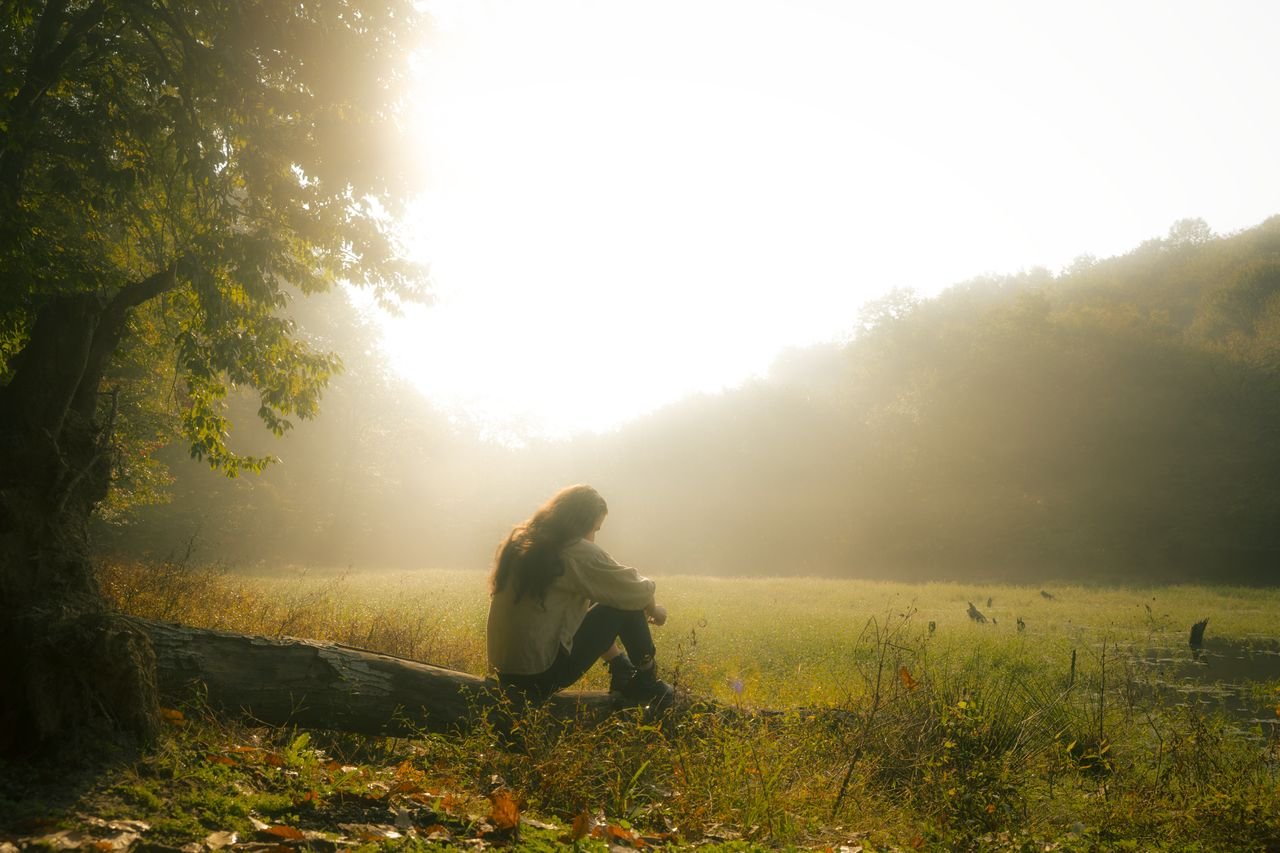
There was a time when I didn’t think much about protecting my peace. I believed that being understanding, flexible, and available for the people around me was simply part of being a good person. Looking back, I don’t think those qualities were wrong, but I also didn’t realize how easy it was to lose yourself when they existed without boundaries.
The Reality of Losing Peace
Peace is one of those things you rarely notice while you have it. It quietly becomes part of everyday life, almost invisible. But the moment it’s gone, you feel the difference immediately. It shows up in your thoughts, in your patience, in the way small things suddenly feel overwhelming, and in the exhaustion that follows you even when nothing significant has happened.
For a long time, I ignored those feelings.
I told myself it wasn’t that serious, that things would get better on their own, or that this was simply how life worked. But I’ve learned that the things we repeatedly ignore rarely disappear. More often, they quietly build until they become impossible to overlook.
When People Get Used to the Version of You That Accepts Everything
Over time, I also realized something else.
When you constantly adjust yourself to make things easier for everyone else, people naturally begin to expect that version of you. They become used to the person who rarely says no, who always understands, who keeps the peace even when it comes at a personal cost.
I don’t think most people do this with bad intentions. Often, they simply respond to the boundaries you’ve shown them.
The Realization That Changed Everything
That was a difficult realization because it meant accepting that if I never communicated my limits, I couldn’t expect other people to automatically know where they were.
Learning to set boundaries wasn’t something that happened overnight. It wasn’t one conversation or one experience that changed everything. It happened through many small moments that slowly added up over time.
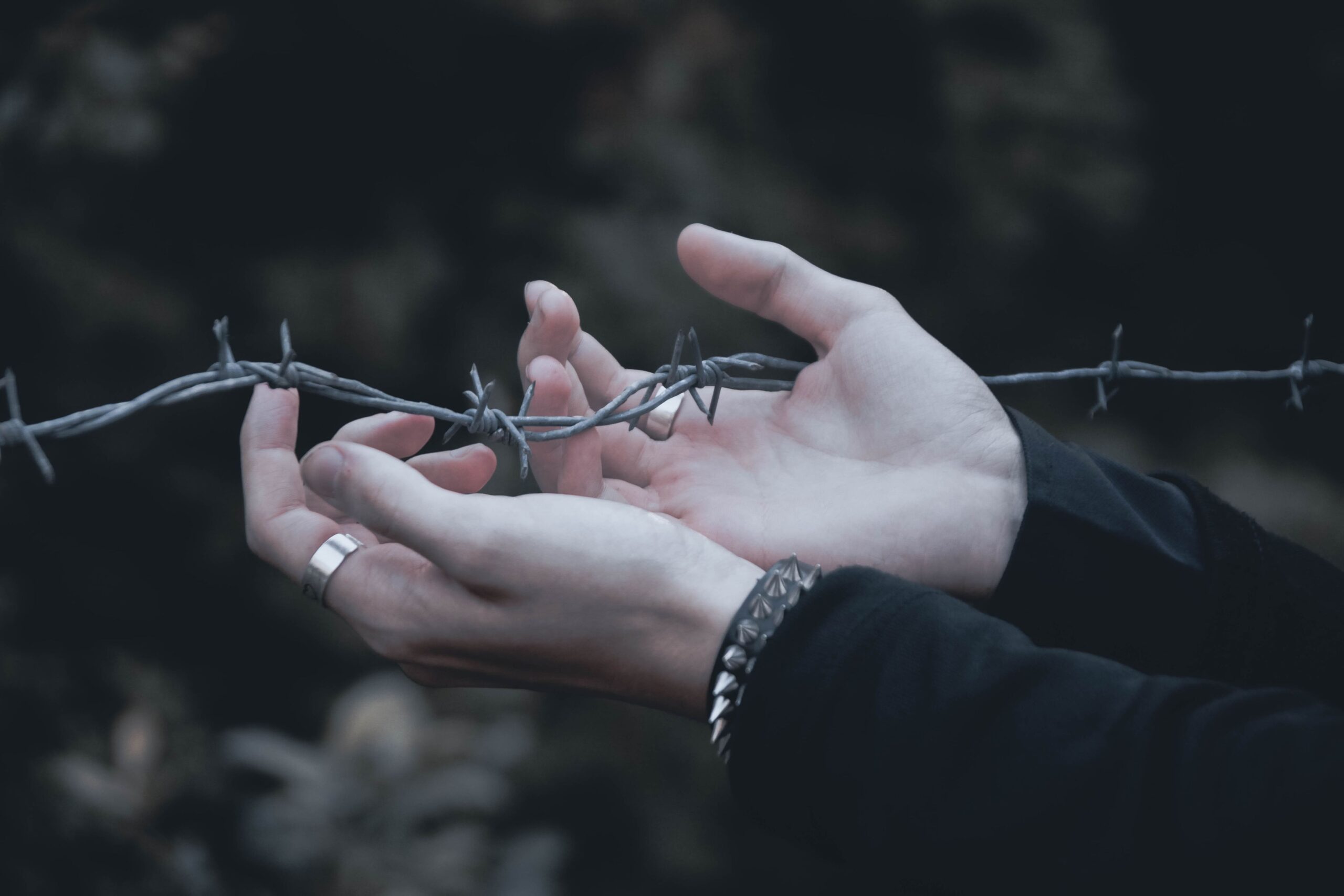
The Small Moments That Built Up
There were conversations that left me feeling drained long after they ended. Situations where I realized I had given far more than I received. Moments where I walked away feeling emotionally exhausted without really understanding why.
Eventually, I had to ask myself whether those feelings were trying to tell me something.
They were.
Why Setting Boundaries Feels So Difficult
Setting boundaries sounds simple when people talk about it. It’s easy to say, “Just say no,” or, “Just speak up.” In reality, though, it’s rarely that straightforward because changing the way you’ve always responded to people feels uncomfortable, especially when they’re used to a different version of you.
Not everyone welcomes that change.
How People React When You Start Changing
Some people respect it without question, while others may challenge it, misunderstand it, or take it personally. There were moments when I wondered whether I was asking for too much or becoming difficult simply because I was no longer comfortable with things I had previously accepted.
Over time, I realized that protecting your peace and disappointing someone are sometimes part of the same decision.
The Truth About Boundaries
One of the most important lessons I’ve learned is that boundaries often reveal the nature of a relationship. The people who genuinely respect you usually find a way to respect your limits as well. Others may struggle because they were more comfortable with the version of you who never had those limits in the first place.
That isn’t always easy to accept, especially when those people are not strangers. Sometimes they’re people you’ve known for years, people you care about deeply, and people you never imagined needing boundaries with.
Choosing Yourself Without Guilt
Even so, I’ve learned that protecting your peace isn’t about pushing people away. It’s about recognizing that caring for others shouldn’t require constantly neglecting yourself.
Emotional Check-In After Interactions
These days, I pay closer attention to how I feel after spending time with certain people or leaving certain situations.
Do I feel calm or emotionally drained?
Do I feel respected or overlooked?
Those questions often tell me more than anything that was actually said.
What Peace Really Is
I’ve also come to understand that peace isn’t simply the absence of conflict. It’s the feeling that comes from knowing what aligns with your values, what you’re willing to accept, and what you’re no longer willing to carry.
That doesn’t mean I always get it right.
The Ongoing Process of Protecting Peace
There are still moments when I hesitate or wonder whether I’m being too firm. There are still times when part of me wants to ignore my own instincts simply because it feels easier than having an uncomfortable conversation.
But experience has taught me that every time I ignore those instincts, I usually end up paying for it later with my own peace of mind.
So these days, I try to make different choices.
Not perfectly.
Just more consciously.
Final Reflection
I’ve come to believe that peace isn’t something you stumble across one day. It’s something you protect through the decisions you make, the boundaries you keep, and the willingness to accept that not everyone will understand those choices.
And perhaps that’s part of growing too—not expecting everyone to understand, but knowing that protecting your own peace is reason enough.